
SB79 And Oceanside
Oceansides relentless effort to weaken SB79.

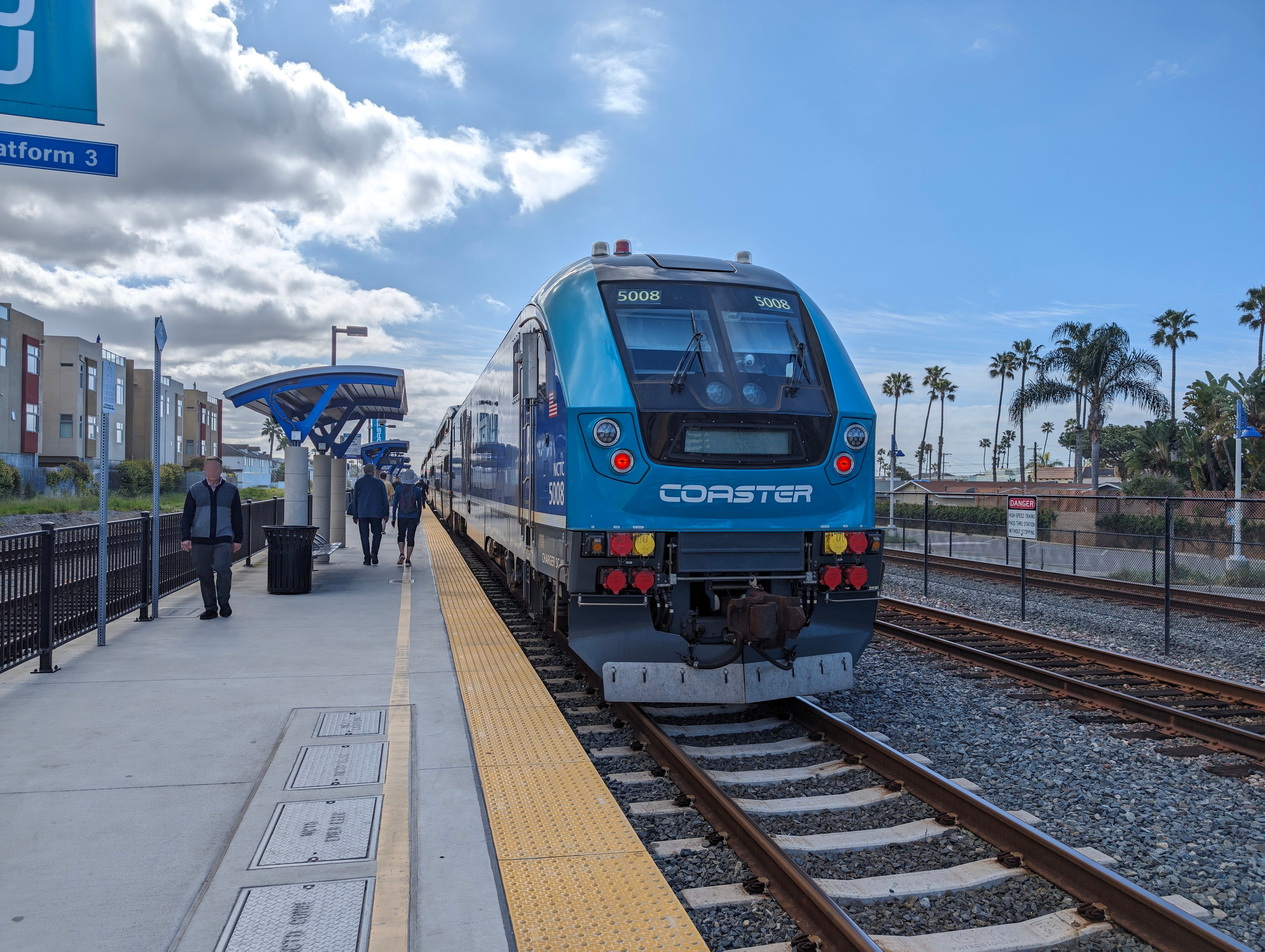
On June 3, 2026, the Oceanside City Council took a quiet but deliberate step backward. With a 4-0 vote (Councilmember Peter Weiss absent), the Council introduced Ordinance 26-1555, a measure explicitly designed to defer implementation and exempt as many local sites as possible from California’s landmark Abundant and Affordable Homes Near Transit Act (SB 79).
Set to take full effect statewide on July 1, 2026, SB 79 is a crucial piece of housing reform. Its premise is simple: make it faster, easier, and entirely legal to build multi-family homes, townhomes, and mixed-use apartments within a half-mile of high-capacity transit stations, such as our Sprinter and Coaster stops.
But rather than embracing an opportunity to address our regional housing crisis, Oceanside leadership chose a familiar path—scrambling to build a bureaucratic wall to preserve the status quo.
What Oceanside is Trying to Delay
SB 79 cuts through local red tape by establishing state-level zoning floors near transit. If an area is zoned for commercial, mixed, or residential use, the state mandates that a city cannot use arbitrary local restrictions—like restrictive height limits or low-density caps—to kill an eligible housing project.
By passing this deferral ordinance, City Staff and the Council are taking advantage of a brief legal window to carve out exclusions and exemptions. Just how severe are these proposed rollbacks?
According to a city presentation slide titled “Capacity Reductions” (referenced in the gallery below), the ordinance seeks to decimate the potential housing capacity near our transit hubs completely:
Complete Wipeouts: The Oceanside Transit Center (OTC) goes from a default SB 79 capacity of over 25,000 potential units down to zero under the city’s proposed exemptions.
Gutting the Sprinter Corridor: At Crouch Street, capacity is slashed from nearly 30,000 units to a mere fraction (around 3,500). El Camino Real faces a similar erasure, dropping from over 15,000 units to next to nothing.
Widespread Suppression: Every single tracked station—from Coast Highway and Rancho Del Oro to College Blvd and Melrose Dr—sees its default SB 79 housing capacity aggressively choked out by these carve-outs.
While Mayor Esther Sanchez acknowledged the vote was a calculated legal maneuver to extract “local control” before the July deadline, the underlying data proves that “local control” is just code for ensuring affordable housing never gets built where it makes the most sense.


A Costly, Doomed Legal Battle: Wasting Our Tax Dollars
Beyond the lost opportunities for housing, Ordinance 26-1555 represents an incredibly poor use of Oceanside’s financial resources. By attempting to end-run a state housing mandate, the City Council is setting Oceanside up for inevitable, expensive court litigation—a battle the city is almost guaranteed to lose.
Sacramento has made it abundantly clear through the California Department of Housing and Community Development (HCD) and the State Attorney General’s “Housing Strike Force” that local obstructionism will no longer be tolerated. When cities pass ordinances designed to undermine state housing law, the state responds with lawsuits.
When that happens, it is Oceanside taxpayers who foot the bill.
Wasted Legal Fees: Hundreds of thousands of dollars from our city’s general fund will be diverted away from parks, road repairs, and public safety just to pay city attorneys to defend a legally indefensible ordinance.
Inevitable Defeat: Time and again, California courts have struck down local attempts to bypass state zoning laws, ordering cities to comply anyway.
Severe Financial Penalties: If the city loses, we don’t just lose the law—we face massive state fines and are often forced to pay the legal fees of the housing advocacy groups that sue us.
Spending precious public funds on a symbolic, doomed legal crusade is the absolute antithesis of a Strong Town. It is fiscal recklessness in service of NIMBYism.
Why SB 79 is Exactly What Oceanside Needs
When cities suppress homes near transit, everyone loses out except the defenders of exclusionary zoning. A fully implemented SB 79 would fundamentally improve the fabric of Oceanside in three critical ways:
1. It Lowers the Real Cost of Housing
The law of supply and demand doesn’t stop at the Oceanside city limits. By restricting multi-family housing near our transit hubs, we artificially inflate the price of the few homes that do exist. SB 79 actively counters this by requiring any project with more than 10 units to set aside up to 13% of its homes for low- or very-low-income households. More supply means options for young families, seniors down-sizing, and working-class residents who are currently being priced out of their own city.
2. It Makes Our Public Transit Actually Work
A transit system is only as good as its ridership. When we surround Sprinter stations with vast parking lots or low-density, single-story commercial strip malls, we ensure that people must drive to get anywhere. By building housing directly next to transit hubs—enhanced by SB 79’s “adjacency intensifiers” which allow higher density within 200 feet of a platform—we naturally build the ridership base needed to fund more frequent, reliable service.
3. It Builds a Stronger, More Resilient Community
From a Strong Towns perspective, clustering development where infrastructure already exists is fiscally responsible. Oceanside has already paid for the rail lines, the water mains, and the paved streets around our transit hubs. Filling those areas with homes and ground-floor storefronts generates robust local economic activity and tax revenue without forcing the city to take on the massive, long-term maintenance liabilities of suburban sprawl.
The Cost of Delays
During the same June 3 meeting, Deputy Mayor Eric Joyce rightly lamented that similar delay tactics in our coastal zones have cost Oceanside hundreds of affordable homes over the years. “We’ve lost hundreds of affordable homes that we could have included,” Joyce noted regarding past policy lags.
With Ordinance 26-1555, the City Council is repeating history. By deferring the implementation of SB 79, Oceanside is signaling that it prefers traffic congestion, soaring rents, and underfunded transit over a vibrant, walkable, and financially resilient future.
As the July 1 state deadline approaches, it’s time for Oceanside residents to ask a simple question: Who is our city infrastructure and tax money actually for—the people who need a place to live, or the defense of empty lots near our train stations?
Your support goes a long way; please consider subscribing to our Substack and help make Oceanside better for everyone.